

Tokyo Marathon 2027: Key Race Information
Here are the main details for the Tokyo Marathon 2027.- Race date: Sunday, March 7, 2027
- Distance: 42.195 km (26.2 miles)
- Marathon start time: 9:10 AM (JST)
- Wheelchair marathon start: 9:05 AM (JST)
- Time limit: 7 hours (until 4:10 PM)
- Start: Tokyo Metropolitan Government Building, Shinjuku
- Finish: Tokyo Station / Gyoko-dori Avenue, Marunouchi
- Field size: 40,000 runners
The Course: What to Expect
The Tokyo Marathon takes runners on a 42.195 km (26.2-mile) route through the city, starting in Shinjuku and finishing in Marunouchi, near Tokyo Station.Tokyo Marathon Course Map
You can view the full course, including kilometre markers and major landmarks, on the official Tokyo Marathon 2027 course map. The route passes through several well-known parts of Tokyo, including:- Shinjuku: The race begins near the Tokyo Metropolitan Government Building.
- Iidabashi and Kanda: Runners head through central Tokyo during the early stages.
- Asakusa: One of the most recognisable sections, passing near Kaminarimon Gate and Sensō-ji Temple.
- Ryogoku and Monzennakacho: The course takes runners through these neighbourhoods before heading back towards central Tokyo.
- Ginza: Wide streets and busy shopping districts feature in the later stages.
- Marunouchi: The final stretch leads towards the finish near Tokyo Station.
Tokyo Marathon Elevation Profile
The Tokyo Marathon is a relatively flat course, with approximately 60 metres (197 feet) of total elevation gain according to third-party course data. The route starts at around 40 metres above sea level in Shinjuku and descends noticeably during the opening kilometres. After that, the course is largely flat, with only small changes in elevation. The downhill start is worth keeping in mind, as it’s easy to run faster than planned early in the race.Expo and Bib Collection
 Before race day, runners need to collect their race bib at the Tokyo Marathon Expo. The event takes place at Tokyo Big Sight, in the South Exhibition Halls, during the three days leading up to the marathon.
Expo Dates & Opening Hours
What to Bring for Bib Collection
Check your official runner instructions before visiting the Expo. These will explain which documents and identification you need to bring, along with the procedure for collecting your race bib.
Allow enough time for bib collection, particularly if you’re arriving in Tokyo shortly before the marathon. Race bibs must be collected before race day.
Getting to Tokyo Big Sight
Tokyo Big Sight is located in the Ariake area of Tokyo and is accessible by public transport.
- Yurikamome Line: Tokyo Big Sight Station is a short walk from the exhibition centre.
- Rinkai Line: Kokusai-Tenjijo Station is another option, followed by a walk to the venue.
For more detailed directions, see the Tokyo Big Sight access guide.
What to Expect at the Expo
Alongside bib collection, the Tokyo Marathon Expo features running brands, equipment and official race merchandise.
If you have time, it’s worth looking around after collecting your bib. Just remember that you’ll probably be spending quite a bit of time on your feet, so there’s no need to explore every stand the day before the marathon.
Getting to the Tokyo Marathon Start on Race Morning
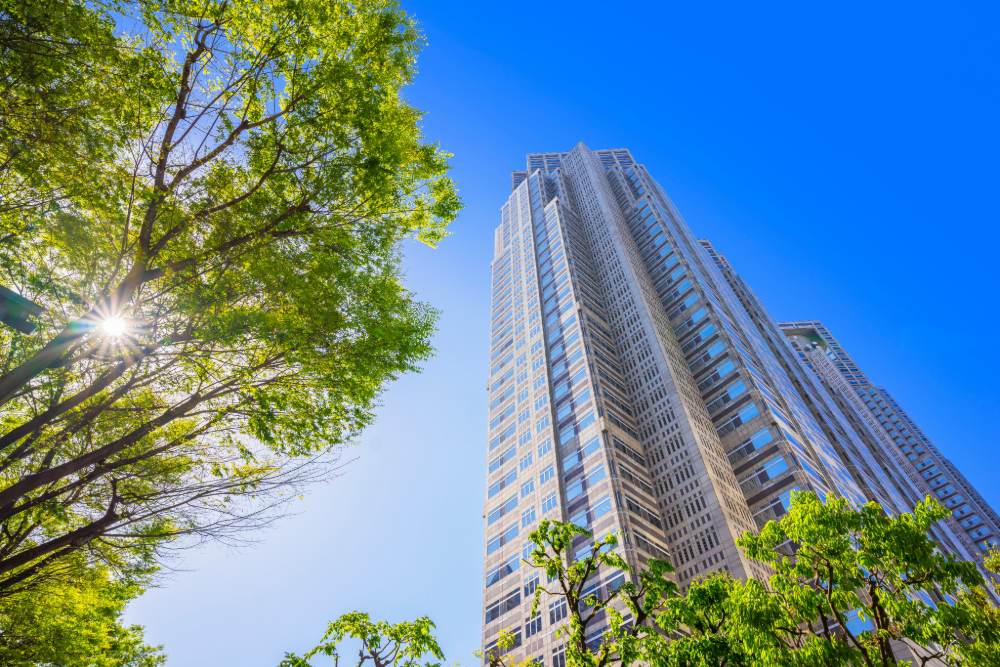
The Tokyo Marathon starts near the Tokyo Metropolitan Government Building in Shinjuku. Before race day, make sure you know which entrance gate you’ve been assigned and how to get there.
Finding Your Assigned Start Gate
Runners are assigned a specific entrance gate based on their starting block. You cannot simply enter through whichever gate is closest to your hotel or the starting line.
The gates are spread around the Tokyo Metropolitan Government Building, and some require a longer walk than others. Depending on your assigned gate, you may also need to follow a particular route through the surrounding streets.
Our tip: Once you receive your runner information, check your assigned gate on the official start-area map. Save the map on your phone and work out your walking route before race morning.
Getting to Shinjuku by Public Transport
If you’re staying outside Shinjuku, you’ll probably need to take a train or metro to reach the start area.

Shinjuku Station and Tochomae Station are useful arrival points, but the most convenient station depends on your assigned gate. Check which station exit brings you closest to the correct entrance, as some streets or exits may be affected by race-day restrictions.
Allow extra time for the walk from the station to your gate, any required security checks and reaching your starting block.
Staying Within Walking Distance of the Start
If you’d prefer to avoid public transport before the race, consider staying in Nishi-Shinjuku, close to the Tokyo Metropolitan Government Building.
Several hotels are within walking distance of the start-area gates, although the actual route depends on your assigned entrance.
What Happens After the Tokyo Marathon Finish?
The Tokyo Marathon finishes in Marunouchi, near Tokyo Station. However, crossing the finish line doesn’t mean you can immediately walk to your hotel or the nearest station.
Leaving the Finish Area
After finishing, runners must follow designated routes through the post-race area. These routes have differed according to bib colour in previous editions, with runners directed towards areas such as Otemachi, Hibiya and Kokyo Gaien.
This means you may end up some distance from the actual finish line before you can leave the event area.
The detailed finish-area arrangements for 2027 will be included in the official Runner Guidebook, which is expected to be published in mid-February 2027.
Getting Back to Your Hotel
If you’re staying in Shinjuku, you’ll need to travel back across the city after the race. Depending on where you leave the finish area, a different station may be more convenient than Tokyo Station.
Even if your hotel is in Marunouchi or Otemachi, don’t assume you’ll be able to take the shortest walking route shown on Google Maps. Race-day road closures and designated exits can affect how you get back.
Our tip: Before race day, save your hotel’s address and check the public transport options from the area where you’re expected to exit. After 42.2 kilometres, it’s useful to have a return plan rather than figuring everything out on the spot.
Where to Stay for the Tokyo Marathon 2027
Choosing where to stay in Tokyo depends on whether you’d prefer to be close to the marathon start, the finish or somewhere convenient for sightseeing.
The Tokyo Marathon starts at the Tokyo Metropolitan Government Building in Shinjuku and finishes in Marunouchi, near Tokyo Station. Since the two locations are several kilometres apart, it’s worth considering which part of race day matters most to you.
Shinjuku and Nishi-Shinjuku are the most convenient areas if you want to walk to the start. Several hotels are close to the start-area gates, although your assigned entrance may not be the one nearest your hotel.
Marunouchi, Tokyo Station and Otemachi are good options if you’d rather stay near the finish. Keep in mind that runners must follow designated exit routes after the race, which may affect the walk back to their hotel.
Other Areas to Consider

You don’t necessarily need to stay near the start or finish. Tokyo has several other neighbourhoods with useful public transport connections to Shinjuku.
- Ginza: A direct ride on the Marunouchi Line takes approximately 18 minutes to Nishi-Shinjuku Station, followed by a walk of around 9 minutes to the Tokyo Metropolitan Government Building.
- Shibuya: The JR Yamanote Line takes approximately 8 minutes to Shinjuku Station, followed by a walk of around 14 minutes to the start area. It’s an interesting option if you also want to spend time exploring Tokyo.
- Ueno: From Ueno-okachimachi Station, the Toei Oedo Line takes approximately 19 minutes to Tochomae Station, followed by a short walk to the Tokyo Metropolitan Government Building. If you’re starting at Ueno Station itself, allow additional time to reach the metro.
These are indicative journey times based on public transport routes checked for a Sunday morning. They do not include possible marathon-day restrictions or the additional distance to your assigned start gate.
For specific hotel recommendations, see our Best Hotels for the Tokyo Marathon 2027. We’ve compared eight hotels near the start and finish, including walking distances and practical race-day considerations.
A Few Final Tips for Race Weekend
Arrive in Tokyo a Few Days Early
If you’re travelling from overseas, try to arrive in Tokyo at least two or three days before the marathon. This gives you time to adjust to the time difference, collect your race bib at the Expo and settle into your hotel before race day.
Be Prepared for Early March Weather
Early March in Tokyo can still be chilly, especially in the morning while runners are waiting for the start. Temperatures and conditions can change throughout the day, so check the weather forecast before deciding what to wear.
Consider bringing an extra layer to keep warm before the race, and check the event’s clothing and disposal rules before leaving anything behind.
Save Some Sightseeing for After the Marathon
Tokyo is a fascinating city to explore, but it’s easy to walk much farther than planned when visiting its different neighbourhoods.
If you’re arriving a few days early, try not to fill every day with sightseeing. Save some of the longer walks and attractions for after the marathon, when you no longer need to worry about keeping your legs fresh.


